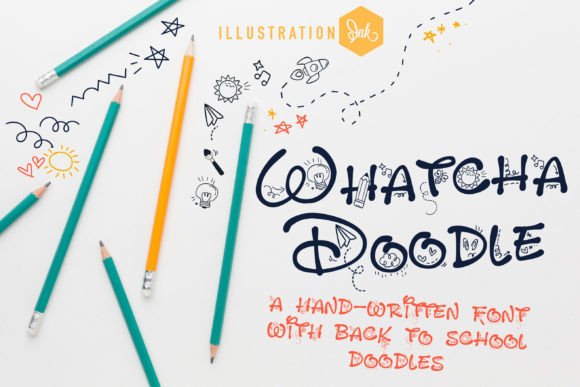
Whatcha Doodle: A Handwritten Display Font for Creative Projects
Whatcha Doodle for Lifestyle Blog Headers and Editorial Design
Whatcha Doodle is a handwritten display font that brings a youthful, artistic energy to any editorial layout. As I worked on redesigning the header for a lifestyle blog, I found myself drawn to its playful yet refined character. The back-to-school doodles woven throughout the font add a sense of warmth and approachability, making it ideal for blogs targeting young professionals or students.
When paired with a clean sans serif font for body text, Whatcha Doodle becomes a powerful tool for visual hierarchy. It draws the eye effortlessly to headlines and section titles, creating a natural flow in the content structure. Whether used for blog headers, article titles, or newsletter graphics, this font adds personality without sacrificing readability.
Whatcha Doodle in Recipe Ebooks and Digital Magazines
For a recent recipe ebook project, I tested Whatcha Doodle as the main title font. Its handwritten style complemented the casual, home-cooking vibe of the content. The doodles scattered across the letters felt like personal notes from the chef, enhancing the reader's connection to the material.
In digital magazines, Whatcha Doodle can be used creatively for chapter openers, pull quotes, and decorative accents. However, it’s important to keep the font reserved for short bursts of text. For longer sections, such as ingredient lists or cooking instructions, pairing it with a more readable serif font ensures the content remains accessible on both screen and print.
I found that using Whatcha Doodle for feature page titles or sidebar headings created a cohesive editorial mood. Its versatility allows it to fit into various design styles while maintaining a consistent brand identity across the publication.
Whatcha Doodle for Coaching Workbooks and Printable Planners
In coaching workbooks and printable planners, typography plays a crucial role in setting the tone for learning and self-improvement. Whatcha Doodle’s youthful appeal makes it a great choice for chapter headings, goal-setting sections, and motivational pull quotes. The doodles feel like encouraging reminders, reinforcing the message of the content.
When designing a printable planner, I used Whatcha Doodle for monthly headers and event titles. The font added a personal touch that made the planner feel more engaging and less rigid. However, I avoided using it for daily entries or small captions, where legibility could suffer due to the font’s expressive nature.
It’s also worth noting that Whatcha Doodle supports commercial use, which is essential when creating downloadable content or selling printable products. Checking for included styles, alternates, and file formats before finalizing a project ensures that the font meets all publishing requirements.
Whatcha Doodle in Newsletter Graphics and Social Media Content
Newsletters often rely on strong visual elements to capture attention, and Whatcha Doodle delivers just that. When designing a header for a weekly newsletter, I used the font for the main title and subheadings. The result was a fresh, inviting layout that stood out against a minimalist background.
For social media graphics, Whatcha Doodle works well for short, impactful messages. Its whimsical style suits content aimed at younger audiences or creative communities. However, it’s best used sparingly—too much of it can overwhelm the design. Keeping it focused on key elements like call-to-action buttons or featured quotes maintains balance and clarity.
When exporting content to PDF or print, I always check how Whatcha Doodle renders on different devices and paper types. While it looks fantastic on high-resolution screens, subtle adjustments may be needed for smaller fonts or low-resolution prints to ensure readability remains intact.
Whatcha Doodle for Wedding Guides and Branding Elements
A wedding guide requires a font that feels both elegant and personal, and Whatcha Doodle strikes that perfect balance. I used it for section titles and invitation samples, where its doodles gave a handcrafted feel that resonated with couples looking for unique, heartfelt details.
In branding elements, such as logos or promotional materials, Whatcha Doodle can help establish a distinct identity. Its handwritten style appeals to niche markets, including indie brands, creative agencies, and educational platforms. However, for formal reports or corporate communications, it’s better to reserve it for decorative accents rather than primary text.
Font pairing is another consideration when using Whatcha Doodle in branding. Combining it with a modern serif or sans serif font for body copy ensures the overall design remains professional yet approachable. This approach keeps the brand’s voice consistent across all editorial and marketing materials.